
Our team aimed to determine how a visually impaired player might actually access Gambloria Casino https://gambloriaacasino.com/. Thus, we used a screen reader and endeavored to do all the tasks a normal player might do. We registered, searched for games, and even tried to seek assistance from support. Below is what we found, from the viewpoint of a UK player using assistive tech in 2024.
The Reason We Tested Gambloria’s Accessibility
To many users, a screen reader is not merely useful—it represents how they use the internet. Given legal standards like the UK Equality Act 2010, accessibility is a legal requirement, not an optional addition. We evaluated Gambloria because every player is entitled to a equal opportunity at gambling responsibly and without assistance. This is not about ticking boxes. The focus is on if someone can truly have an enjoyable experience without running into barriers.
Our emphasis was on the fundamentals: could a player log in, find a game you like, and understand the rules without having someone else to help you? Our findings should matter to players choosing where to play, and to casinos that want to serve everyone.
Our Assessment Methodology and Tools
We spent a week on the site. The primary tool we used was the NVDA accessibility app on a Windows PC, and we rechecked some things with VoiceOver on a Mac. These are popular choices within the UK. We utilized the latest Chrome and Safari browsers to examine both the desktop website and Gambloria’s app versions.

Key Jobs We Completed
We compiled a rundown of typical casino tasks. We registered an account, passed identity verification, sought to claim the sign-up bonus, looked through the selection of games, played a few demo slots, added money, and reached out to customer support. For each step, we documented the time it required, if the screen reader provided explicit guidance, and if we encountered a dead end.
We monitored the way forms and buttons were tagged. We also paid close attention to how the screen reader managed animated content, such as live casino streams and loading screens. This kind of practical test reveals the shortcomings which a purely technical analysis would miss.
First Impressions: Site Navigation and Structure
Getting our bearings was a bit of a varied affair. The top menu at the top, with options for ‘Promotions’ and ‘Games’, was easy to find. The site had some structural landmarks to navigate, but they weren’t consistently applied. This made the opening moments slower than on other sites we’ve tested. We could navigate via keyboard to look for games, which was a definite plus.
But we also discovered too many ambiguous links. Phrases like “click here” or “read more” popped up without indicating what they were for. When your software reads a list of links out of context, that’s not beneficial. The navigation path showing where you are on the site was just decorative element; our screen reader ignored it completely, so we had to retrace our steps manually.
Bonus Offers and Conditions: A Key Aspect
You need to grasp the promotional conditions to play with responsibility. We could browse the promotional pages. They used headings to structure the text, which made reading easier. The links to claim a bonus typically functioned via keyboard.
The actual problem was the writing itself. The terms, especially the wagering requirements and game restrictions, were hidden in dense paragraphs. Although the text‑to‑speech would speak all the words, the information was not easy to absorb. Splitting these details into bullet points or concise overviews would assist everyone, not only assistive technology users.
Exploring the Platform Lobby and Choices
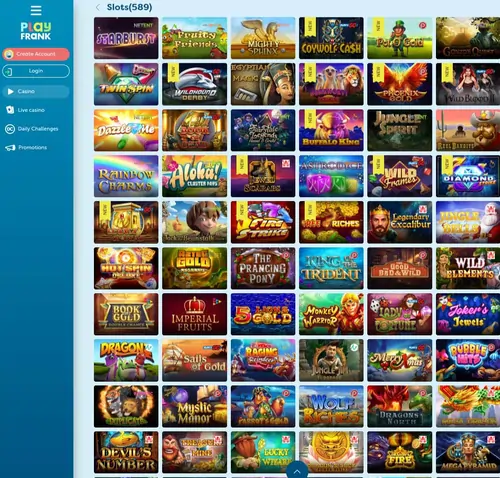
The casino lobby is where you decide what to play, so it must be intuitive. We moved through Gambloria’s grid of games via the keyboard. The filter buttons for slots, table games, and live casino were clearly labeled and did their job. Refining the search was easy without precise clicking.
Problems with Game Thumbnails and Descriptions
The biggest problem here was the game graphics. The reader tool either read out the game name or an unhelpful image name. It gave us no info about the the game’s theme, the game’s volatility, or its RTP. To find that information, we needed to load every game individually. This consumed valuable time.
The buttons to play for fun or real money were easy to distinguish, which was useful. However, the badges highlighting new or popular games were not read out. We couldn’t tell which games the casino was featuring, meaning we lacked that insight of the user experience.
Account and Banking Journey
That was among the more seamless sections. Sections like sign-up, login, and submitting ID documents used input fields with clear labels. Our reading tool could inform us what to enter in each input box. Adding money was straightforward enough; options for PayPal or bank card were spoken correctly.
This transaction history in the cashier section used a proper table layout. The screen reader could recognize the column headers for date and amount, so we could check our history one by one. The only problem was with success messages. A “Deposit Successful” pop-up would appear visually, but our screen reader wouldn’t read it immediately, giving us in momentary doubt.
Enjoying Game Titles: Slots Games and Table Games Accessibility
After launching a game, outcomes were entirely based on who made it. Titles from big providers like NetEnt often had a more favorable starting point. Yet many of the slots on Gambloria just showed up as a silent plugin or gaming container. The screen reader couldn’t interpret about the action inside.
The Facts of In-Game Commands
The buttons inside the games were often invisible to us. We couldn’t read the bet slider, identify the spin button easily, or view the paytable in an intuitive way. To play, you’d need to memorize the controls or ask for help. That’s not really independent play. Casino tables like blackjack were harder because they’re so graphical and quick.
That’s mostly the game developer’s fault, but Gambloria is the one hosting them. The site could create a real difference by creating a curated list of games that are recognized to work better with assistive technology. This would be a simple, powerful gesture.
Customer Support Availability
We tried the chat support, email, and FAQ. We could launch the live chat window with the keyboard. When the support agent responded, our screen reader read out their new message, which is exactly what ought to happen. But we could not easily scroll back through the chat history to go over what was said earlier.
The FAQ was a simple list. Each question acted as a button. When you clicked one, the answer opened up and was read aloud. The search bar in the help section also performed perfectly. We could input a question and tab through the results. Support is functional here, even if it has a few imperfections.
Concluding Decision and Scope for Enhancement
Gambloria Casino has built a platform that’s more user-friendly than some. You can control your account and contact support. But the main event, playing the games, is still blocked by substantial barriers. The basic navigation operates, but the information isn’t always structured for accessibility. The experience seems incomplete.
Our Suggestions for Gambloria
Gambloria should initiate with publishing a understandable accessibility declaration. After that, they should audit their game portfolio and label those with better accessibility. Basic improvements to the website’s code, like using ARIA landmarks and better form error handling, would be transformative. They could become market leaders by collaborating with developers who prioritize accessibility.
For UK screen reader users, Gambloria is adequate for the admin side of things. But if you prefer to play independently, you may face difficulties. We’re sharing this experience hoping it pushes the industry forward. All players deserve equal access.